
Walking Dublin at Your Own Pace
Dublin's city center reveals itself best when you're not rushing. This guide takes you through some of the most walkable neighborhoods, where Georgian architecture meets riverside scenery and every corner has a café nearby. The routes we've mapped out combine gentle urban strolling with Ireland's most iconic landmarks.
You'll discover that Dublin isn't just about tourist hotspots. It's about wandering Temple Bar's side streets, sitting by the Liffey for a while, and finding squares you didn't know existed. Most of these walks take 90 minutes to 2 hours, with plenty of places to rest and grab tea.
Perfect For
- Leisurely urban exploration
- Photography enthusiasts
- History and architecture lovers
- Anyone wanting a city break without strain
The Liffey Riverfront Route
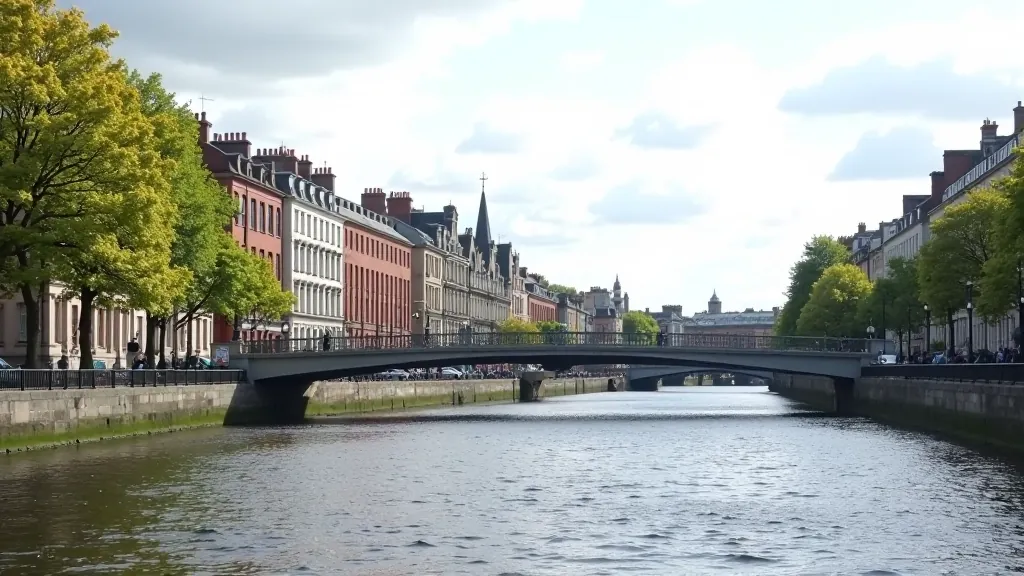
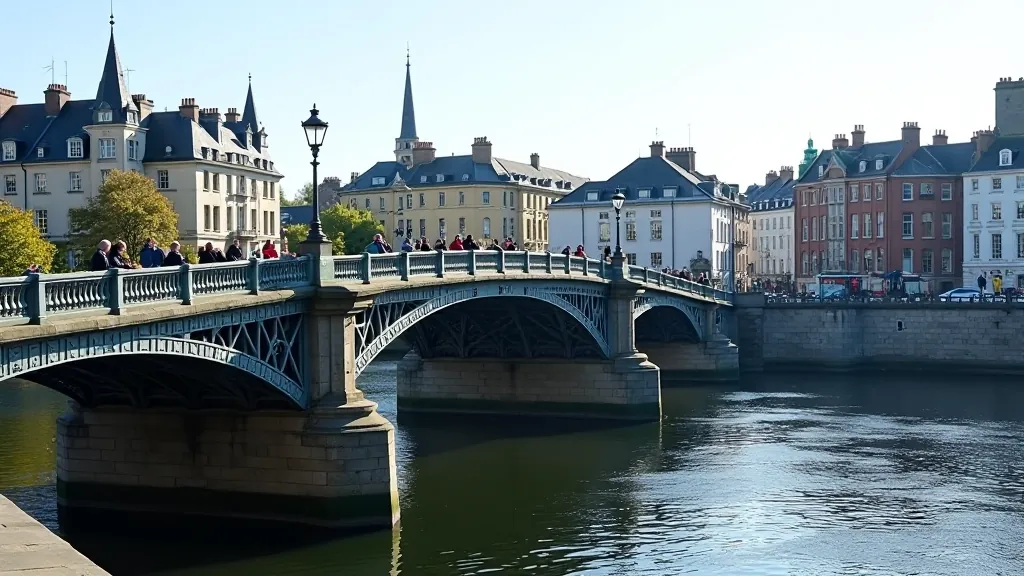
Start at the iconic Ha'penny Bridge, where you can watch the Liffey's gentle flow and observe how the water reflects Dublin's skyline. This pedestrian bridge, built in 1816, is the perfect starting point. From here, you'll walk along the north quays toward the modern Samuel Beckett Bridge — a cable-stayed design that opens for boats when needed.
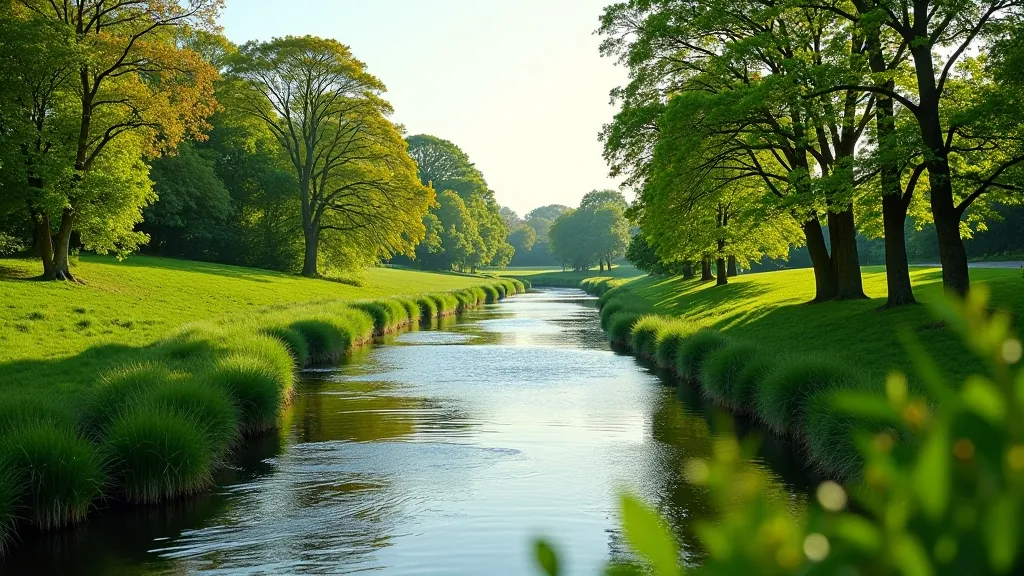
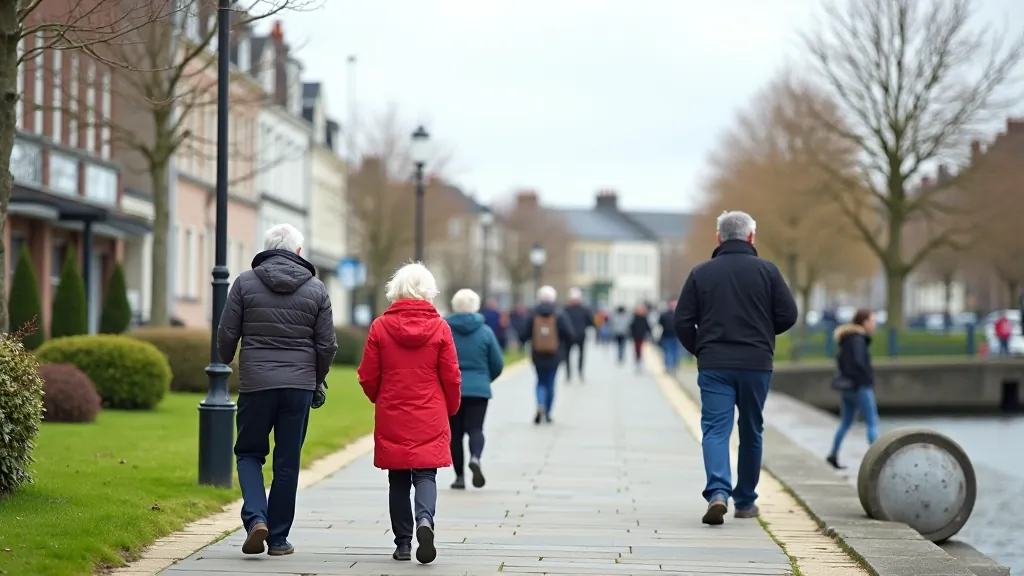
The path is completely flat and paved, making it ideal for a relaxed stroll. You're not climbing any hills or navigating uneven terrain. There's something calming about riverside walking. You've got the water on one side, buildings on the other, and you're moving at whatever pace feels right. Most people spend about 45 minutes covering this stretch, with plenty of benches to stop and absorb the atmosphere.
Tip
The riverside path is busiest between 11 AM and 2 PM. If you prefer quieter walking, try starting your route early morning or after 4 PM.
Discovering the Georgian Squares
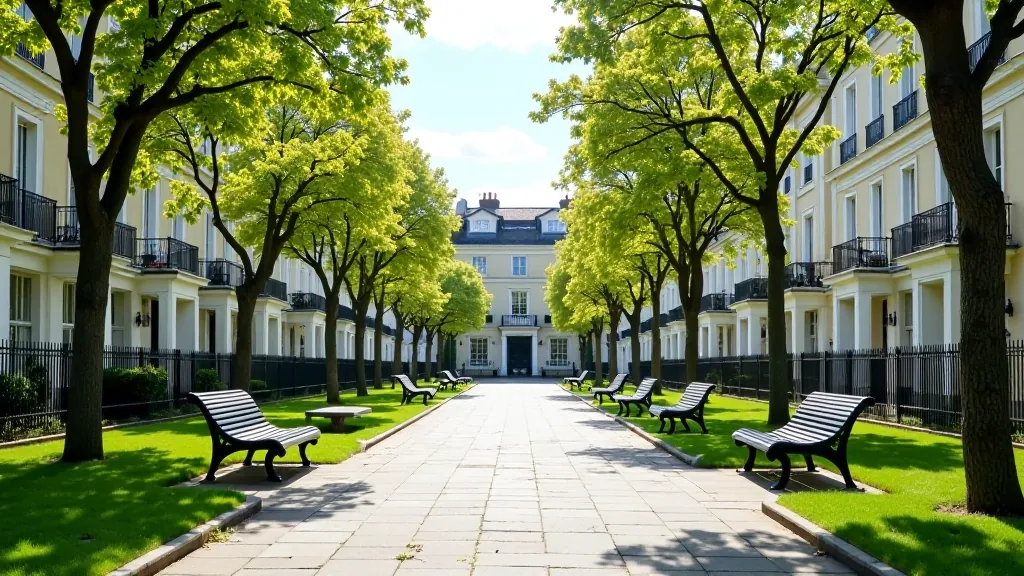
From the riverside, it's an easy walk inland to Dublin's famous Georgian squares. These aren't randomly placed — they follow a deliberate pattern. The squares were designed in the 1700s with wide streets and elegant proportions. Walking through them, you'll notice the consistency of the architecture: four-story townhouses with red brick and brass door knockers.
Merrion Square is probably the most impressive. The park in the center covers about 2 acres, and it's surrounded by restored Georgian buildings. Some of these buildings are now home to art galleries and cultural institutions. You can walk the perimeter or cut through the park itself. The whole square takes about 20 minutes to explore thoroughly, but most people spend longer just sitting on the benches and people-watching.
Fitzwilliam Square is quieter and more residential. The railings are original, the gardens are private, but the walking experience is just as pleasant. These squares reveal Dublin's layers — you're seeing where writers, artists, and wealthy merchants lived during the city's golden age.
Making the Most of Your Walk
Here's what makes Dublin city walking genuinely comfortable. First, the routes are compact. You're not walking across vast distances. The city center is about 2.5 kilometers from the Ha'penny Bridge to Merrion Square, but you're not doing that in one straight line. You're zigzagging, stopping, backtracking to check out something that caught your eye.
Cafés are everywhere. Temple Bar area has tons of options, but so do the side streets. You'll find traditional Irish tea rooms, modern coffee spots, and casual lunch places. It's not a matter of finding food — it's choosing where you want to stop. Many cafés have seating where you can rest for 20 or 30 minutes and watch the city go by.
Wear Comfortable Shoes
Most paths are paved and flat. You don't need hiking boots. Regular walking shoes with good arch support work perfectly.
Check the Weather
Dublin's weather changes fast. Bring a light jacket. If rain comes, duck into a café — it's part of the experience.
Bring Water
You're walking at a relaxed pace for 1.5 to 2 hours. A water bottle keeps you hydrated without needing constant café stops.
Give Yourself Time
Don't schedule this walk tightly. The point is to move slowly and notice things. A 2-hour walk might take 3 hours with stops.

What You'll Actually See
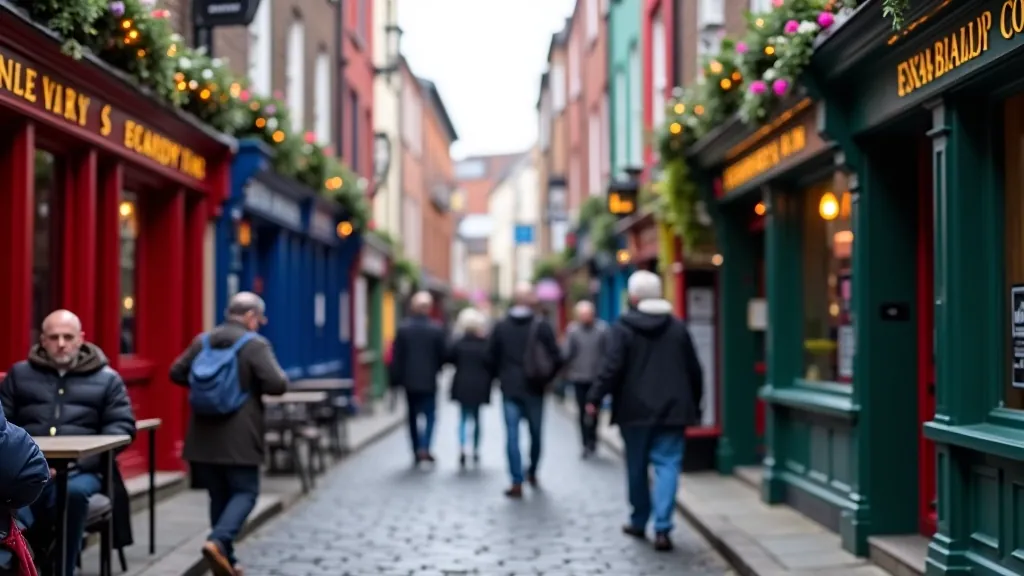
The Temple Bar neighborhood is touristy, but don't skip it. Yes, there are groups of visitors, but the actual medieval street layout is worth experiencing. The buildings date back to the 1600s, and you're literally walking through Dublin's oldest streets. The narrow alleyways weren't designed for cars — they're pedestrian-scaled, which is exactly what makes them pleasant for walking.
Beyond Temple Bar, you'll find neighborhoods that feel more authentically Dublin. Smithfield Square is being revitalized but retains character. The Liberties area, south of the Liffey, has traditional pubs, vintage shops, and a real community feel. You're not seeing Ireland through a tour bus window — you're experiencing it at street level.
The Literary connections are everywhere. James Joyce lived in several Dublin addresses. Samuel Beckett walked these same streets. Oscar Wilde grew up in this city. You don't need to be a literary scholar to appreciate walking where these writers lived and worked. It adds a layer to the experience.
Important Information
This guide is for informational and educational purposes about walking routes in Dublin. Walking conditions, accessibility, and safety can vary based on weather, maintenance, and ongoing construction. Always check current conditions before visiting, wear appropriate footwear, and listen to your body. If you have mobility concerns or health conditions, consult with a healthcare professional before undertaking any walking activity. Dublin's weather is changeable — bring suitable clothing. Some areas may have temporary closures or changes. This information reflects conditions as of May 2026 and may change over time.
Your Dublin Walking Experience
Walking Dublin from the riverside to the Georgian squares isn't about covering distance or ticking off tourist attractions. It's about experiencing the city at a human pace. You're seeing how Dublin actually functions — the mix of history and modern life, the way locals move through their neighborhoods, the small details you'd miss from a bus window.
The Liffey walks are peaceful. The Georgian squares are dignified. The neighborhoods in between are authentic. These routes work because they're designed around what makes walking genuinely enjoyable — flat terrain, interesting architecture, places to rest, and plenty of cafés when you need a break.
You don't need to be super fit. You don't need special equipment. You don't need a guide shouting facts at you. You just need comfortable shoes, maybe 2 hours, and willingness to move slowly. That's when Dublin reveals itself most clearly.
Explore More Walking Routes